
Sight
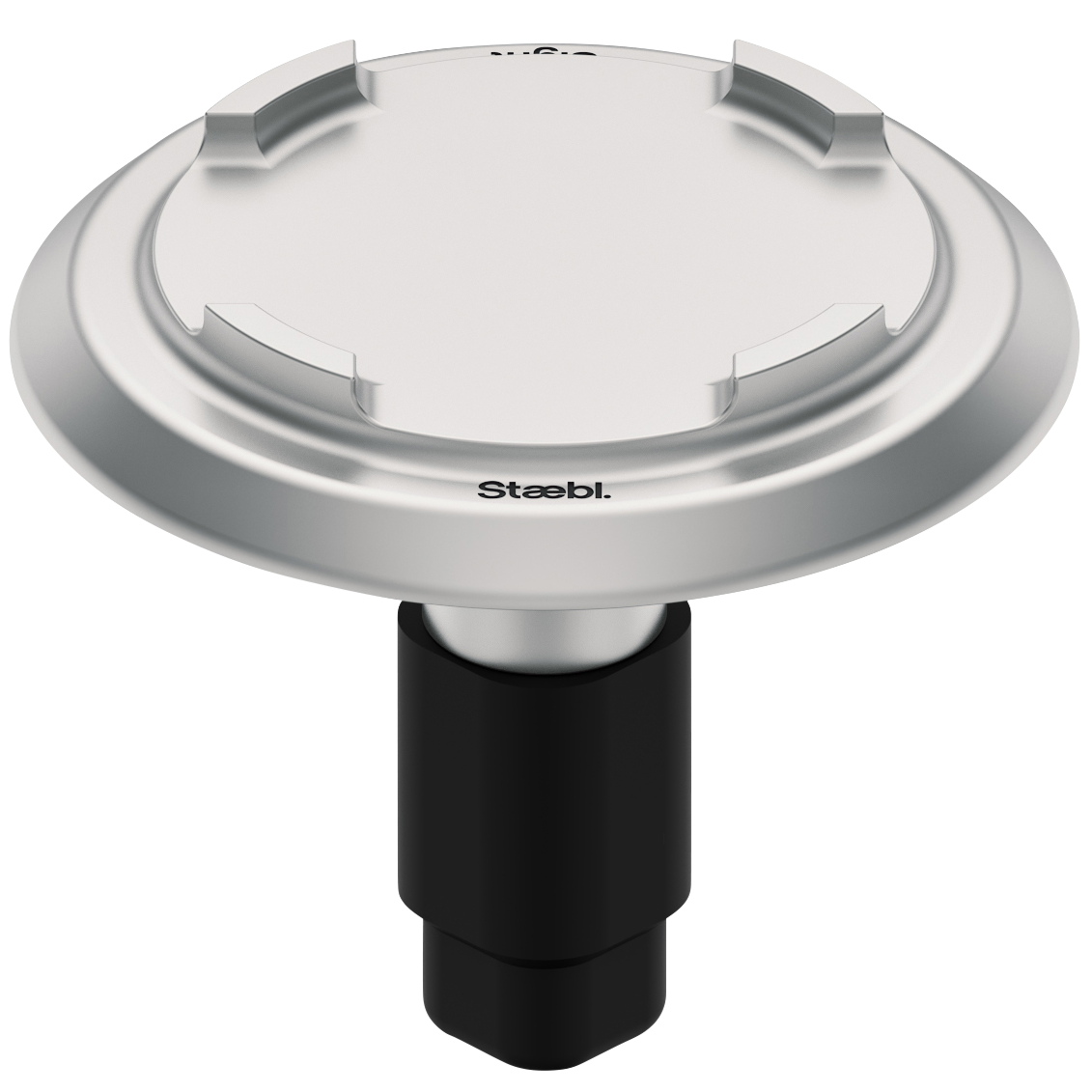
Orientation & mobility with Warning TGSIs made from 60% 316SS verified recycled materials.
Finish Options
316 SS Satin (Low-glare)
Material
Slip Prevention


LRV Contrast
Return Program

Learn more about selecting the right TGSI for your surface with the Finished Surface Sensory Guide
Sight Discrete 316SS Warning TGSIs at a glance
Custodian® Supported

Concrete, Carpet, Vinyl, Stone
Surface Compatibility
Mechanical Squareround® / Chemical Stuckonu® / Screw Tight
Fixing Type
60% Verified Recycled 316 Stainless Steel
Safe in Dry or Wet Conditions
Visible on 45%+ LRV Contrasted Surfaces
Closed Loop, Trade-in & Reunion® Ready
Yes – Warranty, Maintenance, Re-testing
Product Environment Report (PER) Learn More
Document References
Explore Sight
Orientate yourself with specific (TGSIs) models



Sight® Warning TGSI Silver Day Tech Data
Product Specification
Identification
Product Code:
Sight-W-316SS-35255
Sight® Discrete Warning TGSI: Manufactured from 60% verified recycled 316 Stainless Steel materials, drop-forged and precision-machined for exact dimensional accuracy. The surface is glass bead–blasted to achieve a uniform, satin-like, low-glare finish, then electro polished for enhanced wear resistance and extended service life. The anchoring system utilises diamond core-drilled holes fitted with Staebl Squareround® mechanical fixing sleeves for secure, long-term installation. Fully covered by Staebl's 100% closed-loop return guarantee for recovery, refurbishment, or recycling at end-of-life use.
See the Sight Discrete Warning TGSIs
Product Environmental Report (PER).
Design
Body: B35 x T25 x H5 mm
Stem: L25 x Ø8 mm
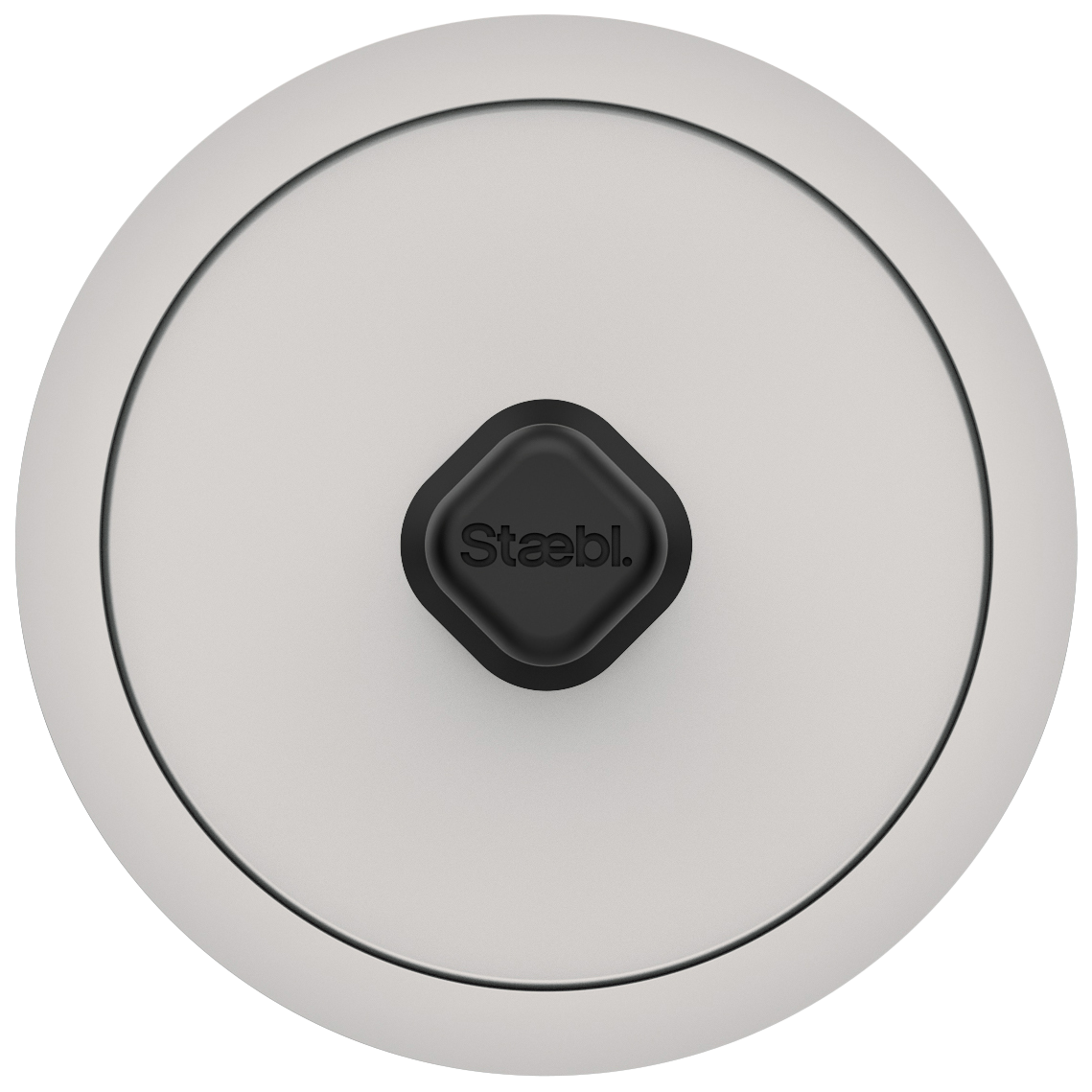
Pedestrian View
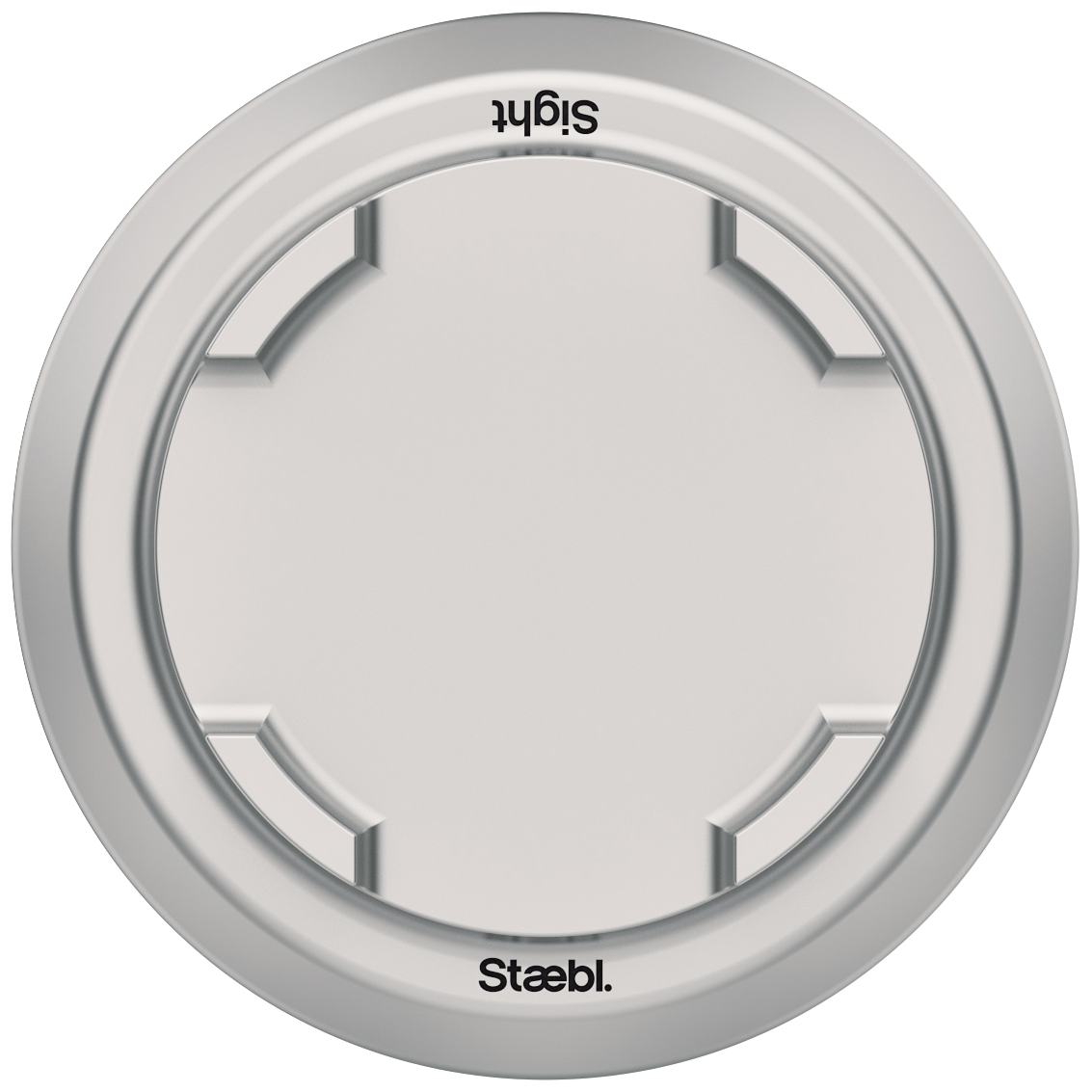
Underside View
Isometric View
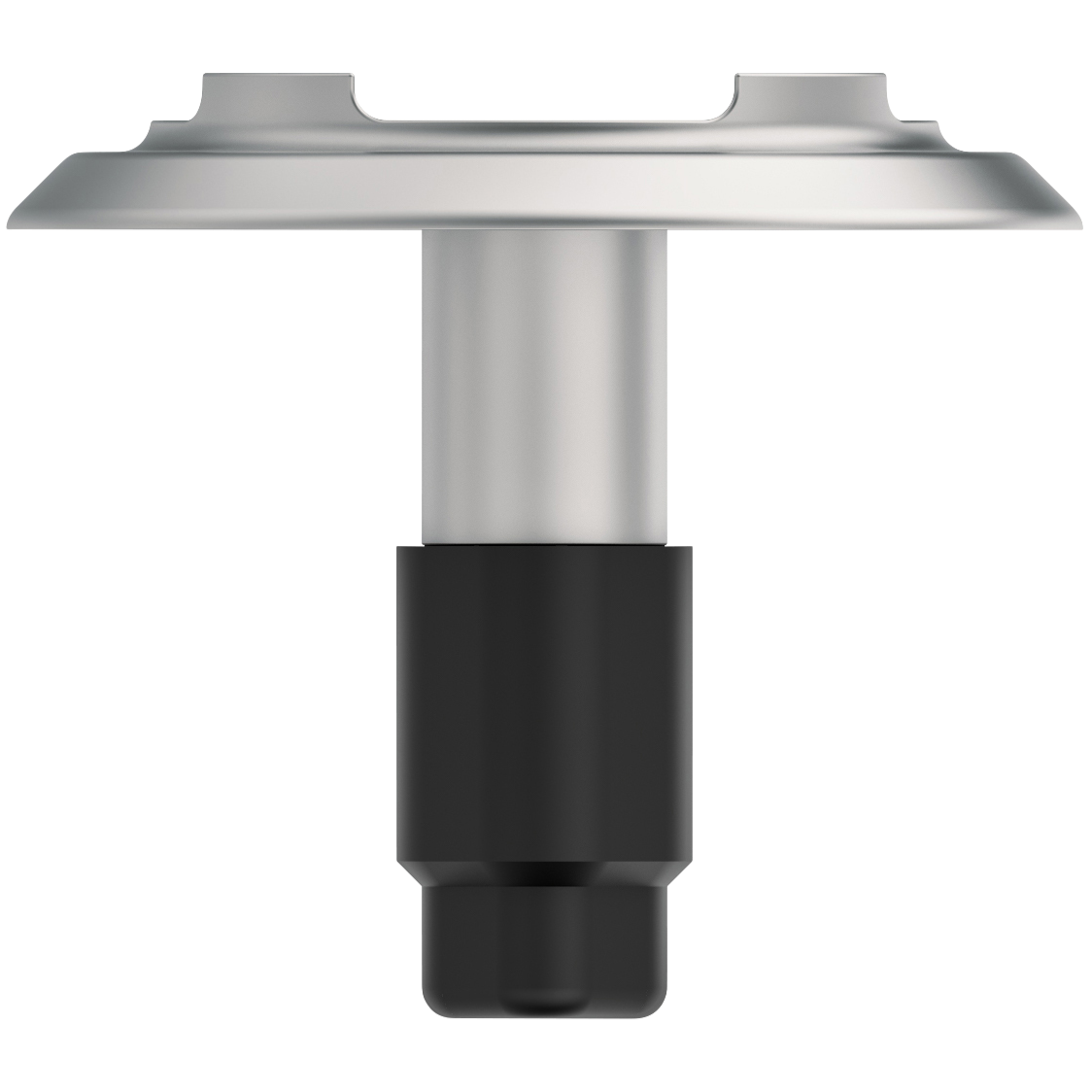
Side View
Designed for Disassembly
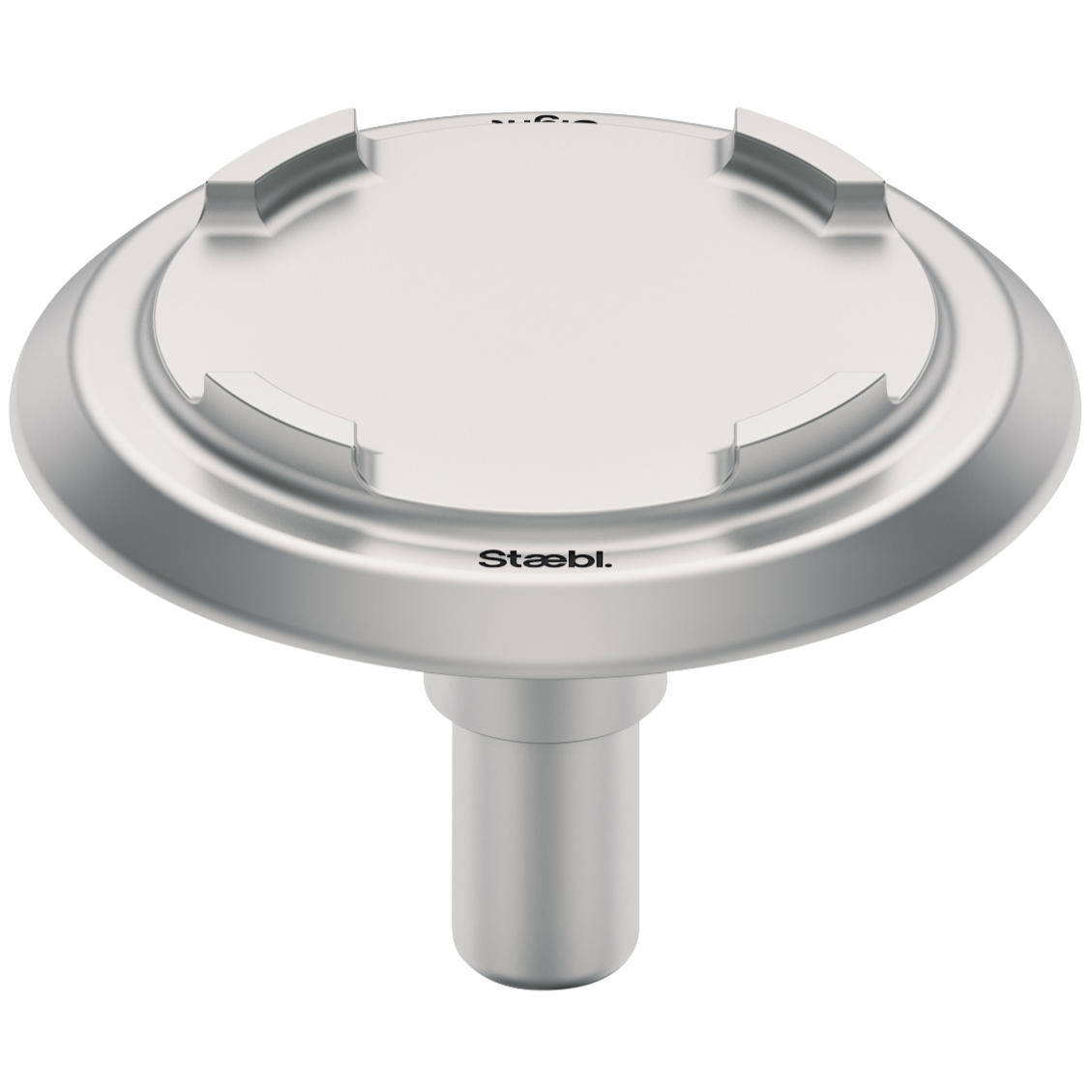
Typical Depiction
Isometric View (Unassembled)
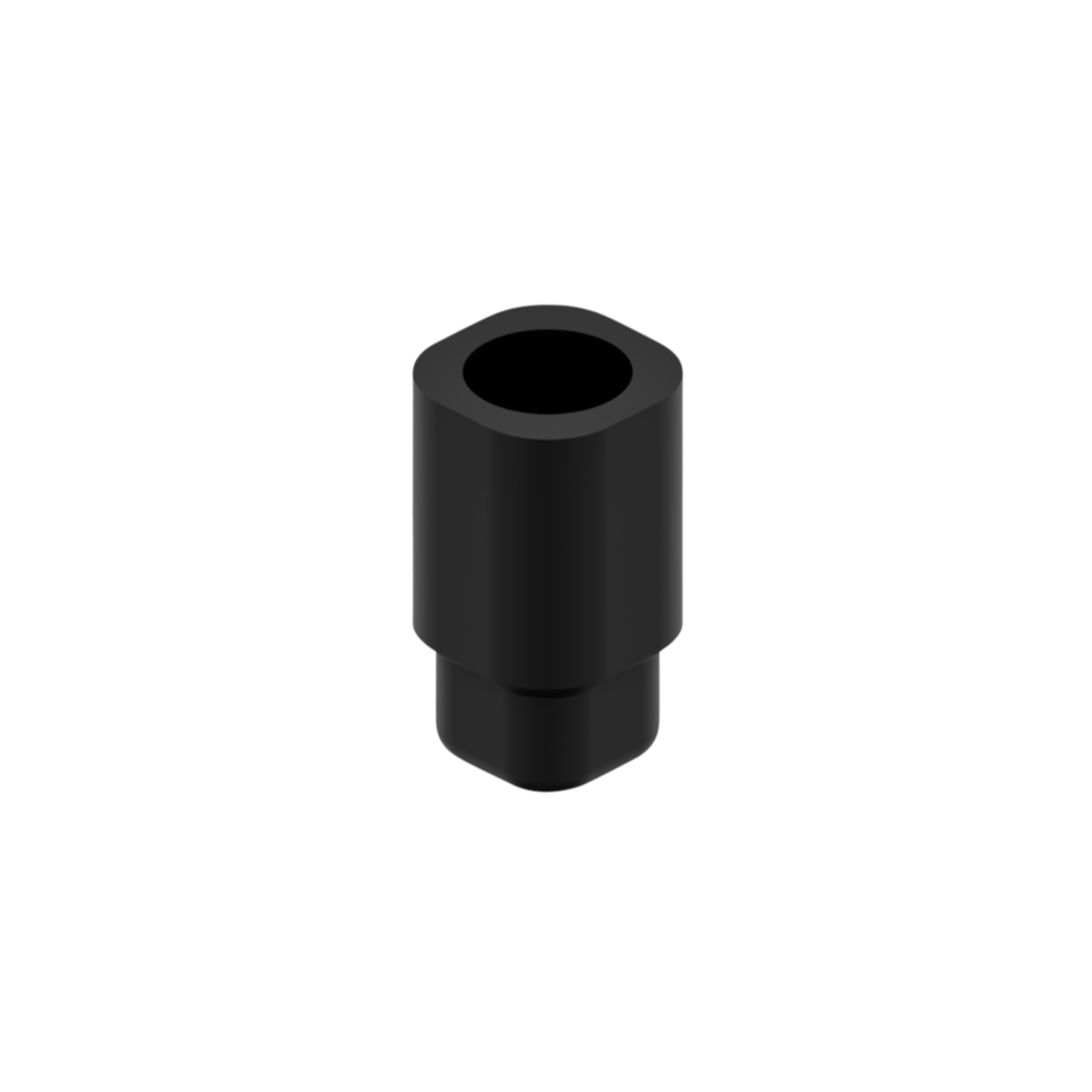
Typical Depiction
Squareround® Anchors (Unassembled)
Staebl designs for return. Not disposal.
Every component is made to be removed, repaired, or recovered. This simple idea extends product life for Custodians, reduces CO₂, and ensures every material knows its way home to where it began through Staebl’s Trade-in & Reunion® programs.
Learn more about Staebl’s guiding design principles within the Design Loop®.
Dimensions
Stæbl Discrete Warning TGSIs:
Designed for specific purposes in specific built environments
Every project is different, and specificity matters. Whether directing movement across a public plaza or signalling a warning at a ramp platform, the correct configuration, finish, and fixing method must suit both the finished and subsurface conditions of the product application. The dimensions shown here are indicative only and are provided to support preliminary planning. For detailed recommendations based on surface type, pedestrian traffic, environmental exposure, and regulatory requirements, as well as ecological closed-loop credentials, consult Staebl for advice and certainty.
Dimension Overview
Stem
(Drilliable Only)
Fixing
Type
Body
(L × W × H)
Dimension
Notes
Used with adhesive on non- penetrable surfaces.
Un-Drillable
25 × 35
× 5 mm
N/A
Suitable for concrete, masonry, timber, etc.
Drillable
25 × 35
× 5 mm
Ø8 mm
× 25 mm
Designed for compressed floor coverings, etc.
Carpet
Variant
25 × 35
× 8 mm
Base height:
6 mm
All TGSI components are manufactured to tight tolerances and are compatible with Staebl installation templates and substrate guides. Learn more with the: Staebl Finished Surface Sensory Guides
Colours & finish
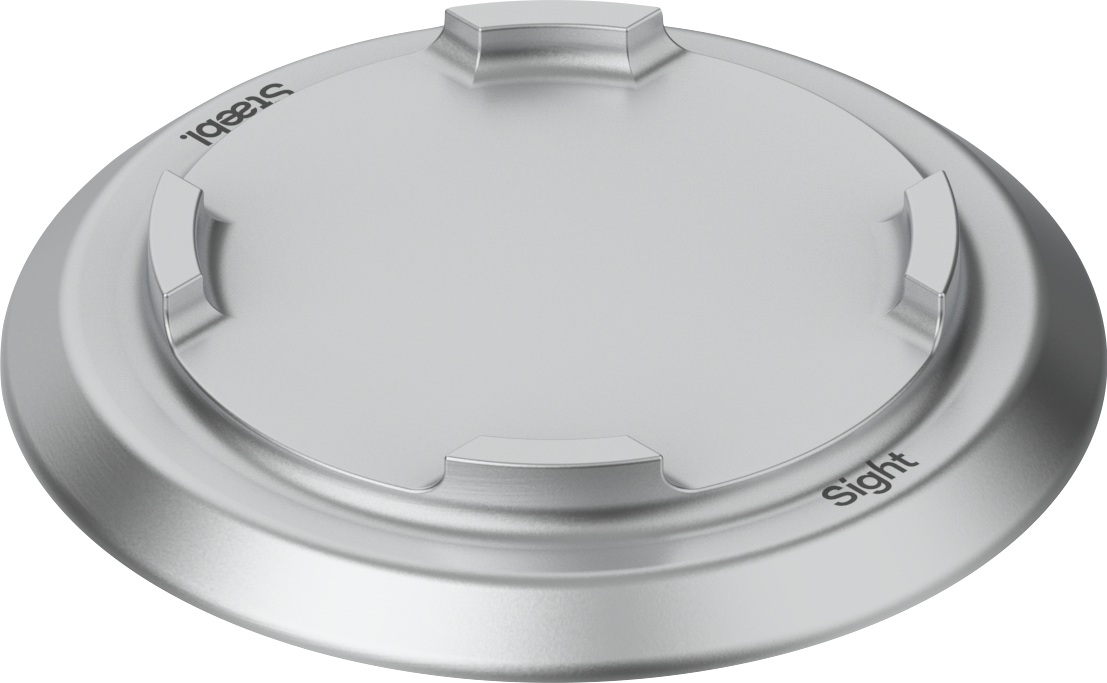
Discrete Warning TGSIs
316SS (Satin) - Low Glare (3)
Surface treated with a mill finish that presents in a soft satin tone for Low Glare.
Learn more about each finished surface with the: Staebl Finished Surface Sensory Guides
Light Reflectance Values (LRV)
Luminace Contrast Requirements
Stæbl Sight® Discrete TGSIs have been independently tested for Light Reflectance Value (LRV) performance in dry and wet conditions, in accordance with:
AS/NZS 1428.4.1:2009 Appendix E3 – Measurement of Luminous Reflectance
AS 1428.1 Clause B3.3 – Luminance contrast requirements for TGSIs and adjacent surfaces
Surface Finish
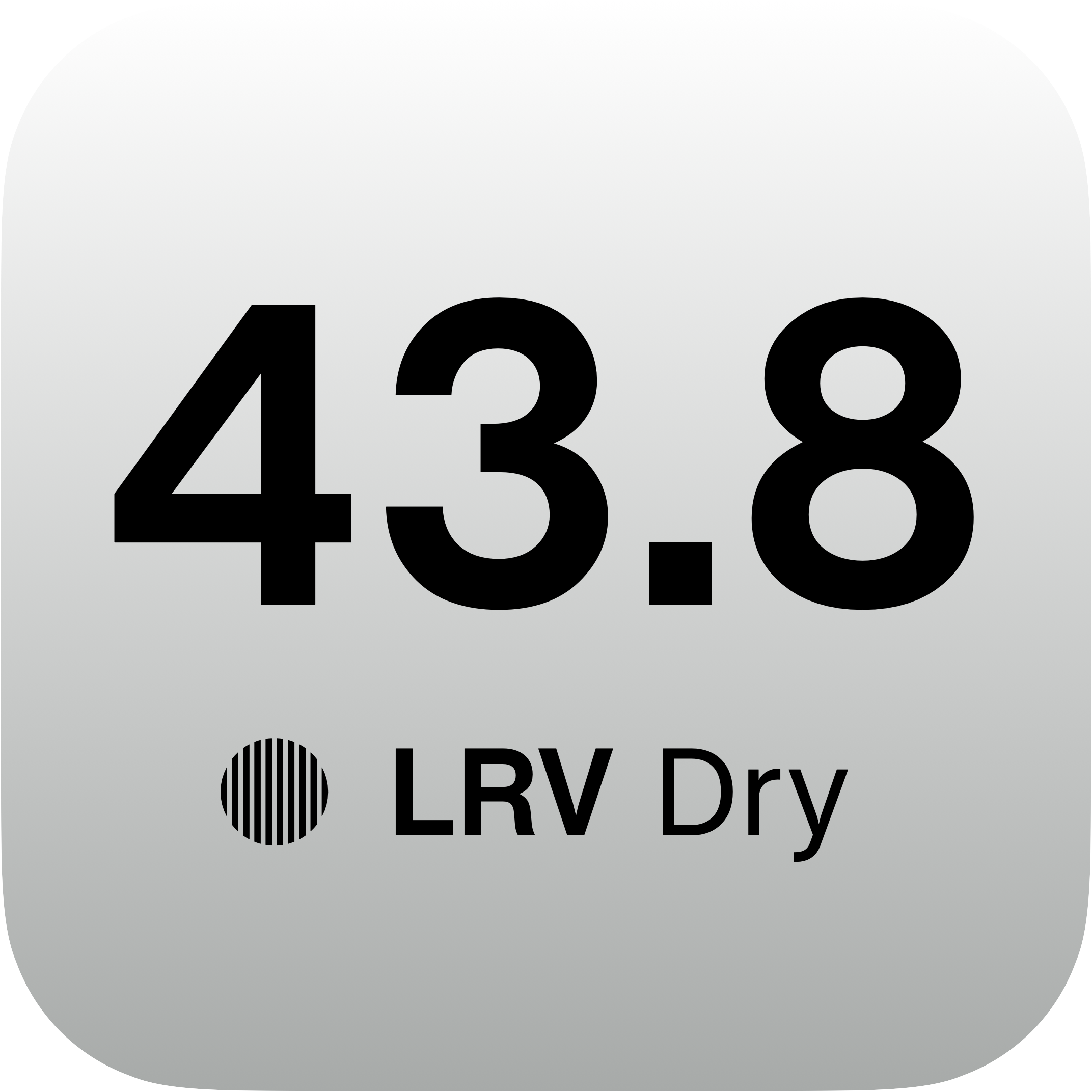
Dry LRV (%)
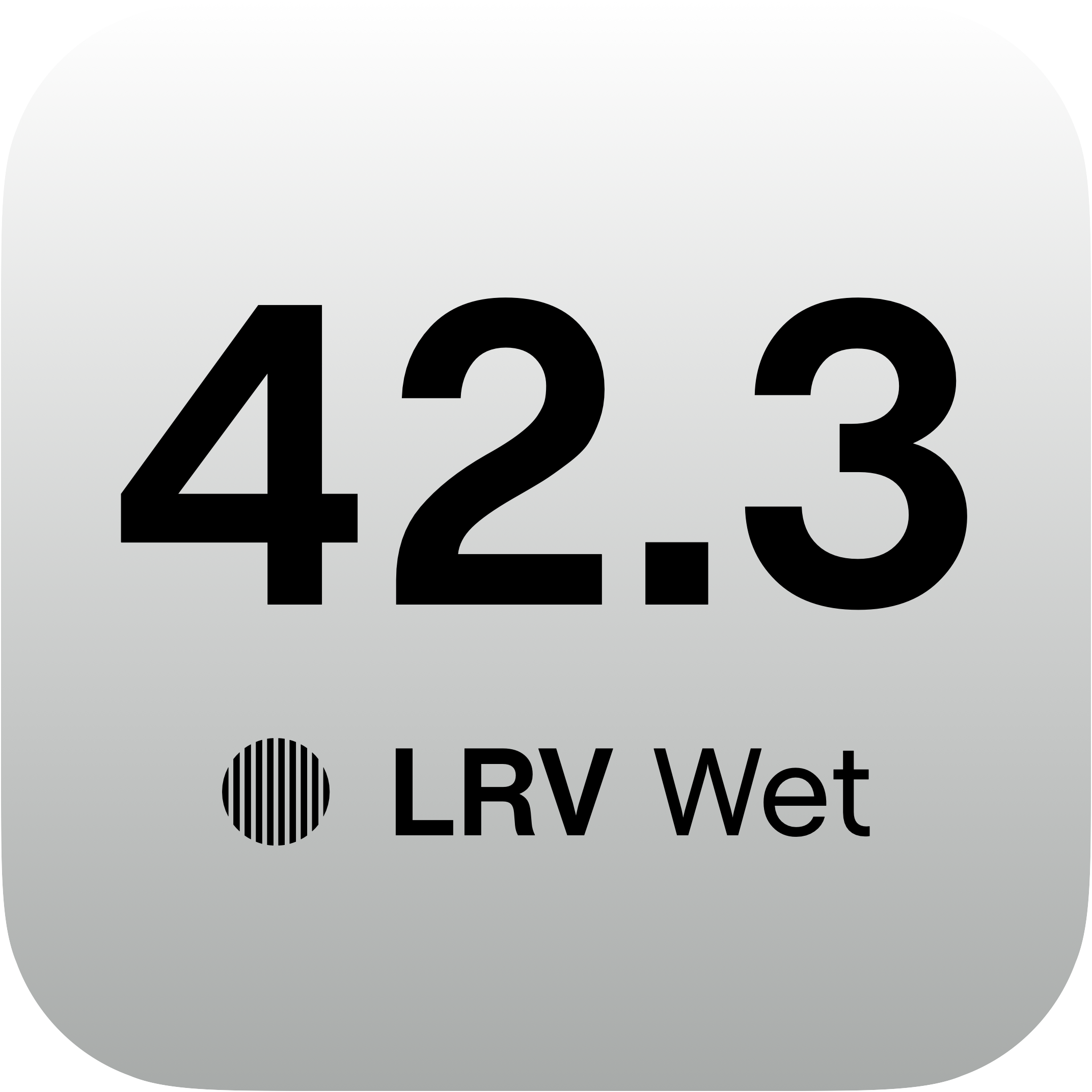
Wet LRV (%)
Silver Day - Low Glare (2)
43.8%
42.3%
Report Reference
EG-241263-LL (Egress Group, 2024-05-06)
Notes
Discrete TGSIs require a 45% luminance contrast to that of the surrounding area.
Staebl Sight® TGSIs should be assessed in contrast with the finished floor surface upon which they are installed in both wet and dry conditions.
To determine total system compliance, combine the product LRV with the adjacent substrate’s LRV.
Staebl Academy and Staebl Custodian® provide in-field support, contrast audits, and design verification services.
Surface. Light. Clarity.
The Staebl Substrate Compendium unites verified Light Reflectance Values (LRVs) of architectural materials with Staebl finishes, 316 SS Satin, to achieve true visual contrast and safe accessibility. This valuable resources enables designers to choose with confidence, Custodians to maintain their Staebl Assets with certainty, and users to move with trust and consistency. Learn more with the: Staebl Finished Surface Sensory Guides
Slip Prevention
Slip Resistance Value (SRV) Requirements
Stæbl Sight® Discrete Warning TGSIs have been independently tested for slip resistance values (SRV) performance in dry and wet conditions, in accordance with:
ASNZS 4586 Appendix: A–Wet Pendulum 4S
ASNZS 4586 Appendix: A–TRRL Sliders
Surface Finish
Slider 96
Slider 55
Class
AS 4586:2013 (6)
Silver Day - Low Glare (2)
P5
P5
Notes
Tested by accredited labs using Appendix A (Wet Pendulum Test).
Re-testable onsite per SA HB 198:2014. (6)
Compatible with Custodian® field compliance support.
Prevention is better than the cure
Staebl’s approach to slip prevention is guided by the principles set out in SA HB 198.2014: Guide to the Specification and Testing of Slip Resistance of Pedestrian Surfaces. Developed by Standards Australia Committee BD-094, this important publication, clarifies new testing methodologies that underpin AS 4586:2013 for new surfaces and AS 4663:2013 for existing ones. The publication is designed to ensure consistency between laboratory precision and real-world performance.
Staebl products are tested and certified to meet these evolving standards, aligning every surface with the prescriptive safety requirements of the National Construction Code (NCC).
Substrate Compatibility
Stone, Masonary, Metals & Timber
Section Views
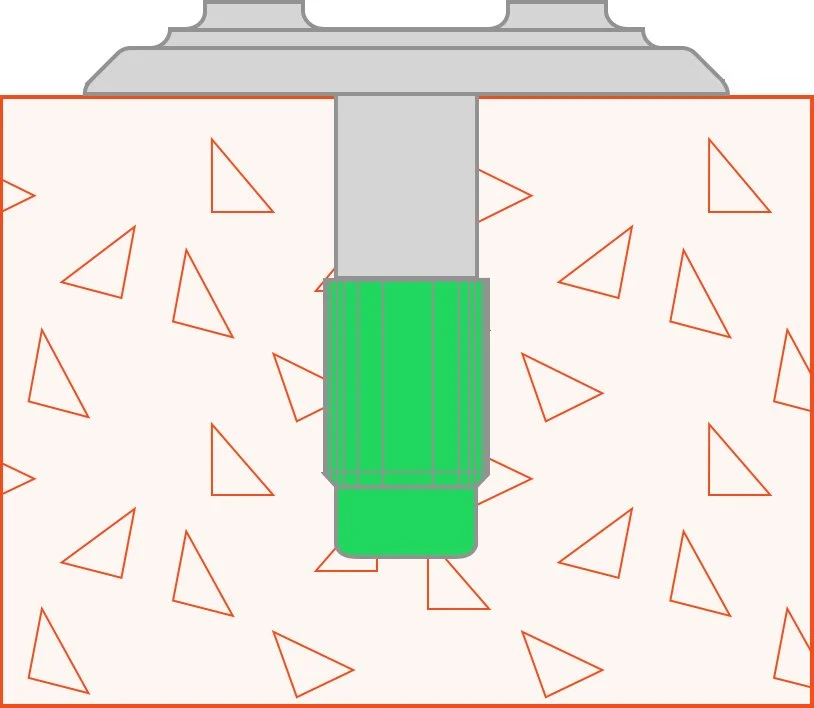
Drillable
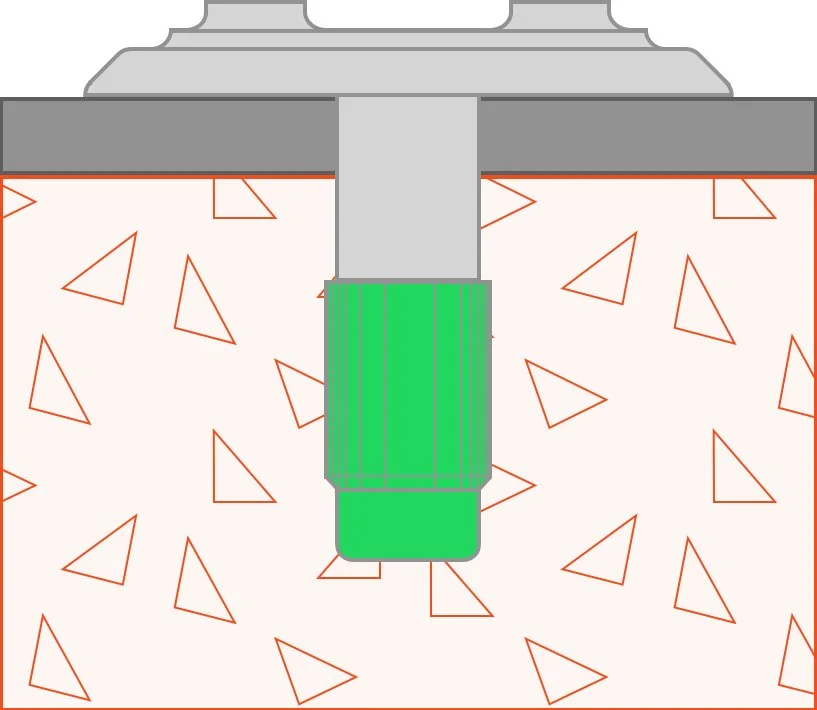
Core-Drillable
• Asphalt
• Bitumen Tarmac
• Brick Pavers
• Ceramic Tiles
• Checker Plate (Tread or
Diamond Plate)
• Concrete Pathways
• Concrete (Polished)
• Crazy Paving
• Escalator Aluminium
Foot Plate
• Engineered Stone
• Epoxy Self-Levelling
• Fibre Cement Sheeting
• Fibreglass Perforated
Gantry Decking
• Granite
• Laminate Flooring
• Limestone
• Linoleum Flooring
List of Finished Surfaces
• Marble
• Porphyry
• Rubber
• Sandstone
• Slate
• Steel Perforated
Gantry Decking
• Timber Decking
• Timber Hardwood Flooring
• Terrazzo
• Terracotta Tiles
• Vinyl Flooring
• Vitrified Porcelain Tiles
• Wood Plastic Composite
(WPC)
Learn more about each finished surface more with the: Staebl Finished Surface Sensory Guides.
Carpet & Floor Coverings
Section Views
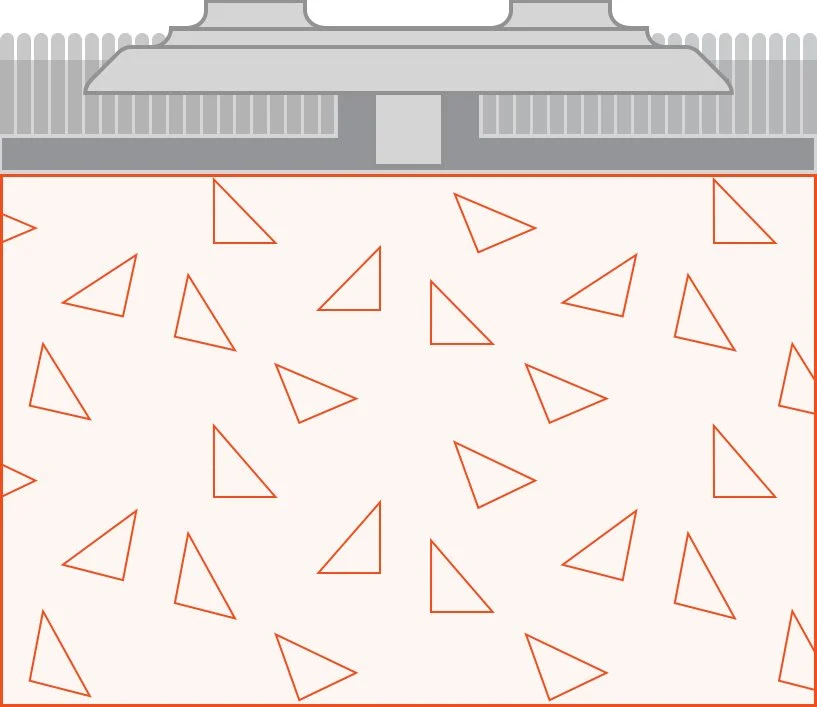
Independant of Substrate
• Artificial Grass (Short Blade)
• Artificial Grass (Woven)
• Carpet (Loop Pile)
• Carpet Tiles
List of Finished Surfaces
Learn more about each finished surface more with the: Staebl Finished Surface Sensory Guides.
Installation Methods
Stone, Masonary, Metals & Timber
Stæbl Sight® Discrete Warning TGSIs
Drillable
Installation Method:
Core-Drillable
Installation Method:
Recomended Method:
Mechanical Friction Fixing with Stæbl Squareround® Anchors
Optional Method:
Chemical Fixing with Staebl Stuckonu®
Recomended Method:
Mechanical Friction Fixing with Stæbl Squareround® Anchors
Optional Method:
Chemical Fixing with Staebl Stuckonu®
Carpet & Floor Coverings
Stæbl Sight® Discrete Warning TGSIs
Independant of Substrate
Recomended Method:
Recomended Method:
Mechanical Fixing with Stæbl Stuckonu® and Underfloor Mechanical Fixings to the stablisation wings through the vertical and horizontal plains.
Manufacturing Methods
Drop Forging & Pressure Forming
Staebl Sight® TGSIs are produced using a drop-forged manufacturing method followed by precision machining. In drop forging, high-quality recycled 316 Stainless Steel billets are heated and then formed under immense compressive force within precision dies. This controlled deformation refines and aligns the metal’s grain structure, significantly increasing material density, tensile strength, and fatigue resistance. The result is a TGSI body with superior impact resistance, dimensional stability, and durability compared to cast or solely machined alternatives.
CNC Machining & Hard Anodising
Following forging, precision CNC machining achieves exact dimensional tolerances, crisp edge profiles, and uniform fixing geometries. This ensures a perfect fit to the intended substrate, reliable fixing performance, and consistent appearance across installations. The combination of forging and precision machining extends the TGSI’s working life in high-traffic, high-wear environments, reduces maintenance requirements, and upholds Staebl’s sustainability commitments by maximising product longevity and recoverability.
Material & Surface Finish
Material Base:
Stæbl Sight® Warning TGSIs are dropped forged from 100% recycled 316 Stainless Steel, comprising verified post-consumer and post-industrial sources, and remade through Staebl’s Design Loop® circular manufacturing model.
Surface Finish Benefits:
High UV stability and long-term colour retention.
Maintains Light Reflectance Values (LRV) for visibility compliance over product life.
Non-glare finish supports NCC reflectivity requirements and vision-impaired access.
Hard-anodised finish resists abrasion in high-footfall areas (e.g. transport, civic buildings)
Visual Texture:
Surfaces present with a mill-finish satin tone, giving a uniform visual appearance with tactile and visual consistency. The low-gloss finish reduces specular reflection, ensuring consistent luminance contrast, and the required Light Reflectance Value (LRV), across diverse lighting and weather conditions. (1)
Warranty
Product Custodian® Support
Every Stæbl Sight® product is supported by a clear, long-term assurance model that combines warranty coverage, application service, and field support under the Staebl Custodian® program.
Dimension Overview
Coverage Type
Period of Cover
10 Years - Material & Finish
Standard Warranty
24 Months – Installation Service & Advice
Application Support
Up to 20 Years with Staebl Custodian® Program
Extended Cover (Optional)
All warranties comply with, or exceed, statutory obligations under the Competition and Consumer Act 2010 (Cth) and are backed by full product traceability, certified test results, and verified fixing protocols.
Custodian®
Custodian® Program: Product and installation support without surprises
Staebl Custodian® is a proactive stewardship program designed to ensure your product remains compliant, maintainable, and recoverable over its entire installed life.
Custodian® with Stæbl:
Identifying symbol
Custodian® Includes:
Warranty Services - Verification, replacement, or repair guidance
Proactive Maintenance - Cleaning protocols, scheduled inspections.
Fixing & Re-Fixing Advice - Support for surface-specific adhesion/mechanical systems.
Slip Resistance & LRV Retesting - Field testing via Custodian® compliance checks.
Trade-in & Reunion® - Subsidised product return and upgrade.
Technical & Regulartory Support
Staebl Sight® is delivered as part of an integrated product + application system, with one-contact support available via:
Staebl Technical Services Team.
Staebl Accredited Installers & Auditors.
Staebl Academy resources for substrate compatibility, compliance training, and in-field testing.
All support services align with NCC/BCA 2022, AS/NZS 1428 series, and the Staebl Supplier Environmental Sustainability Plan (SESP).
Custodian® QR System - (Optional Enhancement)
A Custodian QR Code can be applied on request, linking the product to:
Its installation details, application methods and accredited Installer instructions.
Its Product Environmental Report (PER) and Light Reflectance Value (LRV) data.
Warranty registration and options for extended product and installation cover.
Trade-in tracking eligibility through Staebl's Trade-in & Reunion® Program.
Regulatory Testing
Testing Verification
Accredited Independent, Third Party Product and Systems Testing has been conducted to Australian and International Standards for Stæbl Sight TGSIs in Australia and International locations. In alignment our, ‘Design Loop’ model, slip resistance testing of Stæbl products are first conducted under controlled laboratory conditions using AS4586:2013 Appendix A methods (Slider 96 and Slider 55). This initial laboratory testing establishes a verifiable baseline of performance. By using these same accredited test methods onsite after installation, we ensure that the slip resistance performance measured in the field can be directly compared to the original laboratory results.
Slip Resistance
AS 4586:2013 - Slip resistance classification of new pedestrian surface materials. Appendix A: WET PENDULUM TEST METHOD (Slider 96)
AS 4586:2013 - Slip resistance classification of new pedestrian surface materials. Appendix A: WET PENDULUM TEST METHOD (Slider 55)
Use of Test Results
Information supplied by Stæbl should be used and cross-referenced with Australian Standard HB 198 (2014) and AS/NZS 1428.4 (2021).
Luminace Testing
AS/NZS 1428.4.1:2009 Appendix E3 Measurement of Luminous reflectance dry & wet conditions. AS 1428.1, Clause B3.3.
Important Note:
Information supplied by Stæbl about a Luminous Value should be used and cross referenced with Australian Standard AS/NZS 1428.4 (2021). Luminous Values of the finished surface that the TGSIs are installed upon must also have a luminous Reflectance Value to make an informed factual decision that the Stæbl Product is compliant with choosen application.
Regulatory compliance
Learning Mobility Access in Minutes.
Focused, fast learning helps professionals meet AS 1428 and NCC requirements with confidence, promoting Staebl’s Social ESG values of inclusivity, access to information, and safer environments for all.
Learn mobility access in minutes with Staebl Academy
Staebl Academy®
Identifying symbol

Testing Compliance & Conformance
Stæbl Sight Warning TGSIs comply, conform or exceed the requirements of Mandatory Design, Standards. Regulatory Bodies or Advisory Guidelines as listed below. This list is comprehensive detailing the complexity when designing and specifying a Mobility Access Product.
Codes, Standards and Referanced Regulations
Access to Premises (Buildings) Standard (APS) - (Mandatory for New Building work or when a Permit is required for a building upgrade): A Guideline on the Application of the Premises Standards Version 2 February 2013.
The National Construction Code (NCC) - Building Code The Building Code of Australia (BCA) Section D Clause 3.8 - (Mandatory Compliance).
Disability Standards for Accessible Public Transport (DSAPT) 2002 Designed in conjunction with the Disability Discrimination Act (DDA) 1992.
AS/NZS 1428.2009 Design for Access and Mobility Part 4.1 - Means to Assist the Orientation of people with Vision Impairment - TGSIs, including and not limited to: AS/NZS 1428.4.1. Amdt 1 - 2010-11-26 and AS/NZS 1428.4.1. Amdt 2 - 2014-12-10.
AS 1428.1 Part 1: 2021 - Design for Access and Mobility - General Requirements for Access - New Building Work.
AS 1428.2 Part 2:1992 - Design for Access and Mobility Enhanced and Additional Requirements - Buildings & Facilities
AS 4586:2013 - Slip Resistance Classification of New Pedestrian Surface Materials Amdt 1: 2017.
AS 4663:2013 - Slip Resistance Measurement of Existing Pedestrian Surface.
SA HB 198:2014 - Guide to the Specification and Testing of Slip Resistance of Pedestrian Surfaces.
AS 1657:2013 - Fixed Platforms, Walkways, Stairways and Ladders Design, Construction and Installation.
AS 1735.5:2015 - Lifts, Escalators and Moving Walks Part 5: Escalators and Moving Walks.
DR AS 1428.4.2:2018 - Design for Access and Mobility - Wayfinding.
AS 1742.7:2016 - Manual of Uniform Traffic Control Devices - Part 7 Railway Crossings.
AS 1742.10.2009 - Manual of Uniform Traffic Control Devices - Part 10 Pedestrian Control & Protection.
Notes
Product Compliance Testing
AS/NZS 1428.4.1:2009 "Design for access and mobility" Part 4.1: Means to assist the orientation of people with vision impairment - Tactile ground surface indicators.
Slip Resistance Testing:
AS 4586:2013 - Slip resistance classification of new pedestrian surface materials. Appendix A: WET PENDULUM TEST METHOD (Slider 96) .
AS 4586:2013 - Slip resistance classification of new pedestrian surface materials. Appendix A: WET PENDULUM TEST METHOD (Slider 55).
Luminance Testing:
AS/NZS 1428.4.1:2009 Appendix E3 Measurement of Luminous reflectance dry & wet condition. The following is a summary of the testing methodology, conducted in accordance with requirements of AS 1428.1, Clause B3.3.
LRV Test Reports
Copyright© Egress Group Pty Ltd 2024- Ref: EG-241263-LL Stæbl Silver Day LRV Test 20240506.
Copyright© Egress Group Pty Ltd 2024- Ref: EG-241263-LL Stæbl Black Dusk LRV Test 20240506.
Environmental Social and Governance (ESG) Documentation
Staebl Product Environmental Report – Sight® Warning TGSIs (PER). V1.
Staebl Supplier Environmental Sustainability Plan (SESP) - 2025 Edition.
Staebl Voluntary Modern Slavery Statement – 2025 Edition.
Staebl Trade-in & Reunion® Recovery Program - Circular recovery system for end-of-life Staebl products.
Staebl Supplier Environmental Sustainability Plan (SESP) - Version 02 | 2025 | Referenced Edition.
Aligned with the Australian Government Sustainable Procurement Guide (2024). Embedded into all
supplier onboarding and reporting frameworks.
Staebl Sustainable Packaging Strategy | Version 01 | 2025 - This strategy outlines Staebl’s commitments
to circular, plastic-free packaging, verified fibre sourcing, and ethical material accountability.
Staebl Custodian® Sustainability Statement - Service and recovery lifecycle program integrating
warranty, maintenance, and circular return.
Staebl Design Loop® Statement - Closed-loop product lifecycle methodology.
ISO 14021:2016 - Environmental Labels and Declarations.
ISO 14040:2006 - Environmental Management - Life Cycle Assessment.
Green Building Council of Australia. Green Star: Design & As Built v1.3 - Credit Mat-5: Lifecycle Impacts -
Building Products.
ISO 14067:2018 - Greenhouse Gases – Carbon Footprint of Products – Requirements and Guidelines for Quantification.
Sight TGSI Series and the Environment
Design Loop with Stæbl
Identifying symbol

Made with Better Materials
100% recycled aluminium and post production material from Stæbl's manufacturing process. All aluminium used in Sight® TGSIs is verified under Staebl’s Waste Remade® program, which includes certified post-consumer and post-industrial scrap content, documented through PER-backed traceability records. See the Sight TGSIs Product Environmental Report (PER).
Low Energy Use
Aluminium is particularly well suited to recycling as 100% can be recovered in the recycling process. Re-melting used aluminium saves up to 95% of the energy needed to produce the primary product and reduces the environmental impacts of bauxite mining. This is supported by data from the International Aluminium Institute and the Australian Aluminium Council, and is reflected in Staebl’s PER energy input declarations for recycled vs virgin aluminium. See the additional references and footnotes (6a, 8a & 9a) in the Sight Product Environmental Report
Green Manufacturing
Stæbl's Zero Waste targets enables Supply Chain Partners to reduce and even eliminate waste being sent to landfill. Stæbl's Zero Waste targets enables Supply Chain Partners to reduce and even eliminate waste being sent to landfill. These targets are enforced through Staebl’s Supplier Environmental Sustainability Plan (SESP), which requires verifiable end-of-process reuse, in-house scrap loopback, and packaging minimisation practices. Learn more about Staebl SESP.
Responsible Packaging
100% virgin wood fibre is derived from forests that are responsibly managed (FSC). 95% fibre-based packaging were possible. Staebl’s Sustainable Packaging Plan specifies FSC-certified substrates (FSC® C117930), minimal printing inks, and zero single-use plastics, with QR-coded cartons designed for reuse and return logistics. Learn about Stæbl's Sustainable Packaging Plan.
Sight TGSIs are designed with the following features to reduce the products' environmental impact. Staebl defines it as Design Loop. Learn about Stæbl’s Environment, Social and Governance (ESG) design model: Design Loop. (7)
International Shipping
Stæbl's International Shipping foot print is an energy intense compontent in providing our products from the point of origin to local warehousing. Staebl's utilises sea freight which reduces Co2 emmission by 10-40 grams per kilometer compared to that of Airfreight wihich is 500g of CO2 per metric ton of freight per kilometer of travel, (8). These figures are benchmarked against transport emissions data from the World Bank and Smart Freight Centre (2023), and are documented in the Sight® Product Environmental Report under the 'Transport Impact' section.
We Want You Back
Trade-in your used Sight TGSIs and recieve at 0-20% subsidy towards a new Stæbl TGSI Product (9) If your TGSI Products are not eligible for a subsidy, Stæbl will recycle it without cost to you. Eligibility is assessed through Custodian® program registration, ensuring that even expired or degraded products are returned to Staebl for full lifecycle closure. Learn about the Subsidy.
Good Returns
All Stæbl products can be returned to Stæbl in Australia. Our goal is to have the majority of what we make returned so we can refurbish, repurpose or recycle what we bring into the world. This process is governed by Staebl’s Trade-in & Reunion® program and tracked through Custodian® records, ensuring no Staebl product is sent to landfill. Learn about Staebl Return
Recycled Materials
Waste Remade by Stæbl
Identifying symbol
Made from 60% sourced waste 316 Stainless Steel and post production material from during the Stæbl manufacturing process. Learn how Stæbl manages the product lifecycle throughout our supply chain.
A logo that stands for your values
Look for the Waste Remade Logo on Stæbl Designed Products. This is your guarantee of Stæbl's active commitment to climate change and our commercial response to diverting construction waste from landfill.
This is not recycling as usual.
This is remaking waste with purpose, precision, and a promise for the future. When you see the Waste Remade logo on a Stæbl designed product, you hold our guarantee:
A tangible commitment to combating climate change.
A clear commercial action to divert construction waste from landfill.
A material solution designed to serve today and be taken back for tomorrow’s Staebl’s products.
Learn how Stæbl is remaking waste and reshaping what responsibility looks like..
Product Environmental Report (PER) Reference & Footnotes
Staebl PL. Waste Remade® Verification Statement. Internal circular material audit and supplier declaration documentation for verified recycled aluminium inputs (post-consumer and post-industrial). Appendix B in all PERs. Learn more: https://www.staebl.com/waste-remade.
International Organisation for Standardisation (ISO). ISO 14021:2016 - Environmental Labels and Declarations - Self-declared environmental claims (Type II environmental labelling). Learn more: https://www.iso.org/standard/66652.html.
International Organisation for Standardisation (ISO). ISO 14040:2006 - Environmental Management – Life Cycle Assessment - Principles and Framework. Learn more: https://www.iso.org/standard/37456.html.
International Organisation for Standardisation (ISO). ISO 14044:2006 - Environmental Management - Life Cycle Assessment - Requirements and Guidelines. Learn more: https://www.iso.org/standard/38498.html.
International Organisation for Standardisation (ISO). ISO 14067:2018 – Greenhouse Gases – Carbon Footprint of Products – Requirements and Guidelines for Quantification. Learn more: https://www.iso.org/standard/71206.html (please note that this will soon be superseded by ISO/WD 14067. Greenhouse gases: Carbon footprint of products - Requirements and guidelines for quantification. Learn more: https://www.iso.org/standard/90578.html.
Green Building Council of Australia. Green Star: Design & As Built v1.3 - Credit Mat-5: Lifecycle Impacts - Building Products. Learn more: https://new.gbca.org.au/green-star/rating-system/design-and-built/
European Aluminium. Environmental Product Declarations (EPDs) for Building Products. A sector-wide programme since 2006, aligned with ISO 14025 and EN 15804. Learn More: https://european-aluminium.eu/our-work/standards-life-cycle-assessment/
U.S. Green Building Council. LEED v4.1 – Materials and Resources (MR): Building Product Disclosure and Optimisation & Environmental Product Declarations. Available from: https://www.usgbc.org/credits/new-construction-core-and-shell-schools-new-construction-retail-new-construction-data-43.
(9) Staebl PL. Staebl Design Loop® Statement. Internal document describing closed-loop product lifecycle methodology. Appendix A in all PERs. Learn more: www.staebl.com.au/design-loop
Staebl PL .Staebl Custodian® Sustainability Statement. Service and recovery lifecycle program integrating warranty, maintenance, and circular return. Appendix C in all PERs. Learn more: https://www.staebl.com/custodian
Staebl PL. Trade-in & Reunion® Recovery Program Description. Circular recovery system for end-of-life Staebl products. Referenced in Section 3.7 and Appendix C.
Staebl PL. Voluntary Modern Slavery Statement 2025. Public summary aligned with the Modern Slavery Act 2018 (Cth). Learn more: https://www.staebl.com/modern-slavery.
Staebl PL. Supplier Environmental Sustainability Plan (SESP) – Version 02 | 2025 | Referenced Edition. Aligned with the Australian Government Sustainable Procurement Guide (2024). Embedded into all supplier onboarding and reporting frameworks. Learn more: https://www.staebl.com/supplier-environmental-sustainability-plan
(Staebl PL. Sustainable Packaging Strategy | Version 01 | 2025 This strategy outlines Staebl’s commitments to circular, plastic-free packaging, verified fibre sourcing, and ethical material accountability. Learn more: https://www.staebl.com/sustainable-packaging-strategy.
Additional References & Footnotes
(1a) Staebl® verified circular supply partners: Staebl PL verifies its material supply partners through a multi-step onboarding and auditing process that includes: Supplier declarations of post-consumer or post-industrial material content. Request and review of third-party material analysis (e.g. spectrometry, batch certification). Annual re-certification against Staebl's Waste Remade® material acceptance criteria. Only suppliers with closed-loop reprocessing capabilities and verifiable scrap origination pathways are eligible to contribute to Staebl's 60% recycled 316 Stainless Steel supply chain.
(2a) Batch-level traceability and internal Staebl audit trails: Every 316 Stainless Steel batch received by Staebl PL is assigned a unique identifier and logged into Staebl's internal lifecycle traceability ledger. This includes: Origin and type of scrap (e.g. post-consumer, industrial off-cut). Supplier name and location.Date of intake, processing site, and final product destination. Internal audits verify that each batch is traceable to its supply partner and forwarded to its product application, creating a closed accountability loop.
(3a) Annual external review by Staebl®-approved recyclers and suppliers: Staebl PL requires all approved circular supply partners to participate in an annual independent material audit. This audit includes: Verification of input material types (40% virgin 316 Stainless Steel is permitted). Review of downstream recovery metrics (e.g. yield rate, contamination). Confirmation of sorting, melting, and re-alloying procedures that meet or exceed Staebl's closed-loop performance standards. The results of these reviews are logged and cross-referenced with batch-level traceability records.
(4a) N/A
(5a) No chemical adhesives, rubber, or carborundum are used in the assembly or configuration of Staebl® products: Staebl products are engineered to eliminate materials compromising end-of-life recyclability or introducing health/environmental hazards. Mechanical friction fixing systems are used in place of adhesives. No rubber, plastic, or carborundum inserts are used in any Sight® TGSI or Knoll® stair trim, ensuring single-material purity. All fixing components are fully removable, ensuring ease of disassembly and compliance with Staebl's "designed for return" principle.
(6a) 316 Stainless Steel remelting uses up to 67% less energy than primary 316 Stainless Steel production: Source: A peer‑reviewed life‑cycle analysis of austenitic stainless steel (the family that includes 316) reports that current recycling operations reduce primary energy use, with a 100% scrap (“maximum recycling”) scenario would use 67% less energy than virgin‑based production. Reference: British Stainless Steel Association - https://bssa.org.uk/wp-content/uploads/2021/07/The-Energy-Benefit-of-Stainless-Steel-Recycling.pdf
(7) N/A
(8a) Recycled 316 Stainless Steel: each tonne of steel scrap used avoids ~1.5 tonnes of CO₂ (and significant virgin raw material inputs)Source: World Steel Association Reference: https://worldsteel.org/climate-action/climate-change-and-the-production-of-iron-and-steel/
(9a) Sight® Discrete Warning TGSIs (316 SS) are manufactured from 60% scrap-based austenitic stainless steel, equivalent to Grade 316, using verified recycled feedstock. Staebl’s 316 stainless steel TGSIs are produced with maximum-recycling inputs, eliminating virgin iron ore, nickel, and chromium at the material origin stage. A minimum of 25% post consumer, 35% industrial scrap and 40% new material, which are reclaimed and remelted together into useable feedstock. Source: Australian Stainless Steel Development Association (ASSDA) Reference: https://www.assda.asn.au/blog/145-recycling-of-stainless-steel-scrap
(10a) ISO 14021 – Environmental Labels and Declarations (Self-Declared Environmental Claims): Staebl PL aligns its Waste Remade® claim to ISO 14021:2016 (soon to be superseded by ISO/DIS 14021:2024), specifically: Clause 7.8: "Use of the term 'recycled content" and "Clause 5.7: "Accuracy and verifiability of claims." All batch certifications for recycled aluminium content are retained on file and available to verification bodies or project auditors. ISO Overview
(11a) LEED v4.1 – MR Credit: Building Product Disclosure and Optimisation – Environmental Product Declarations (EPDs): Staebl products support LEED points under the Materials and Resources category, specifically: MR Credit: Environmental Product Declarations (Option 2 – Multi-attribute optimisation), and MR Credit: Sourcing of Raw Materials (Option 2 – Recycled content). Staebl's Waste Remade® verification and lifecycle documentation satisfy these credit pathways. LEED Reference: LEED v4.1 BD+C MR Credits
(12a) Green Star – Mat-5: Lifecycle Impacts: Staebl products contribute to Green Star: Design & As Built under: Credit 21: Material Lifecycle Impacts – Up to 3 points are available for the use of recycled materials with EPDs and product stewardship. Staebl PL's documented recovery pathway and traceable recycled content meet Mat-5 circularity and reuse criteria. Green Star Reference: Green Star Materials Guide – Credit Mat-5
(13a) Reduced Freight Emissions - 99.3% Lower Co2 emissions through ocean shipping: Stæbl slashes logistics-related CO₂ emissions by 99.3% through an unwavering commitment to ocean freight over the air: every product ships via consolidated sea containers, maximising load efficiency and minimising per-unit carbon intensity. By embedding responsible logistics in our sustainability playbook, Stæbl turns global distribution into a low-carbon advantage, delivering high-performance products while driving down supply-chain emissions. https://www.ics-shipping.org/shipping-fact/environmental-performance-environmental-performance/. ICS Fuelling the Fourth Propulsion Revolution: Full Report, based on IMO, Second GHG Study, 2009 *AP Møller-Maersk, 2014.
(14a) Custodian® - Stæbl is enabling duty holders to manage product life and use-cycle with confidence: Warranties, servicing, and compliance documents are built into the product journey. This is Lifecycle Responsibility in action. Technical guidance and Learning are provided to assist customers in managing performance, safety, compliance, and end-of-life return. Learn More at https://www.staebl.com/custodian
(15a) Australia’s 2035 Emissions Reduction Targets - Climate Change Authority (CCA). The Australian Climate Change Authority provides independent statutory advice confirming Australia’s national commitment to reduce greenhouse gas emissions by 43% below 2005 levels by 2035, as part of its legislated pathway toward net zero emissions. Staebl PL’s use of verified recycled materials, energy-efficient manufacturing processes, and circular recovery pathways supports material-level emissions reduction aligned with this national target and associated government procurement expectations. Source: https://www.climatechangeauthority.gov.au/2035-emissions-reduction-targets-advic